From learning how to read blueprints to mastering the art of building structures, Job Talks brings construction education to life with engaging videos and insightful lessons that make learning about the trades a hands-on adventure! 💡 Join us as we explore different trades, techniques, and tools used in the construction industry, and discover the rewarding career opportunities available in this dynamic field.
Crafting Success: Explore the World of Trades Construction!
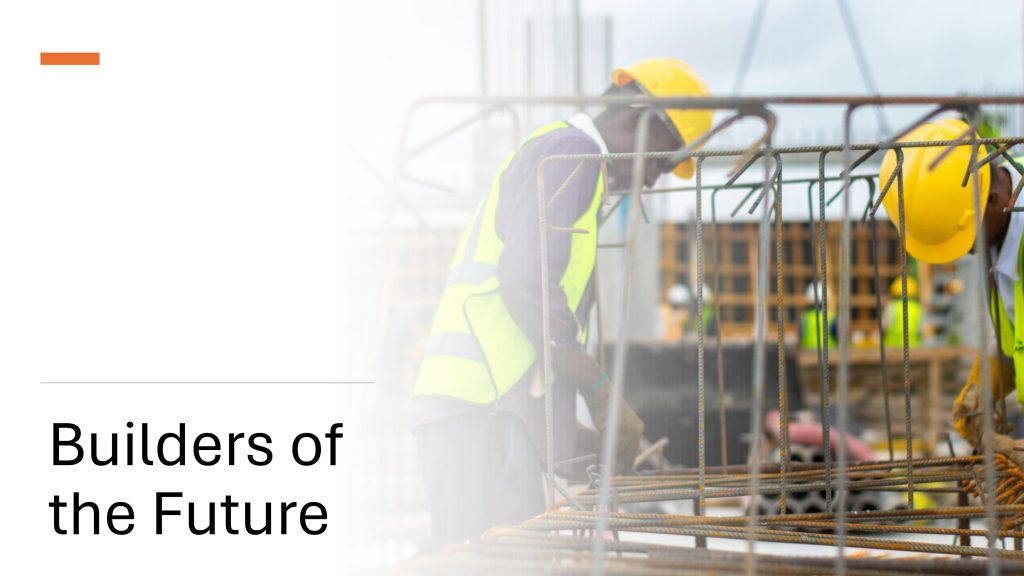
Builders of the Future is a forward-thinking program designed to equip aspiring construction professionals with the knowledge, skills, and resources needed to thrive in the ever-evolving construction industry. Through a combination of mentorship, training, and real-world experiences, participants gain valuable insights into emerging technologies, sustainable practices, and innovative methodologies shaping the future of construction. By fostering collaboration, creativity, and critical thinking, Builders of the Future empowers individuals to become visionary leaders and change agents, driving progress and excellence in construction projects worldwide. With a focus on adaptability, resilience, and lifelong learning, this program prepares builders to embrace challenges, seize opportunities, and make meaningful contributions to the continued advancement of the construction industry.
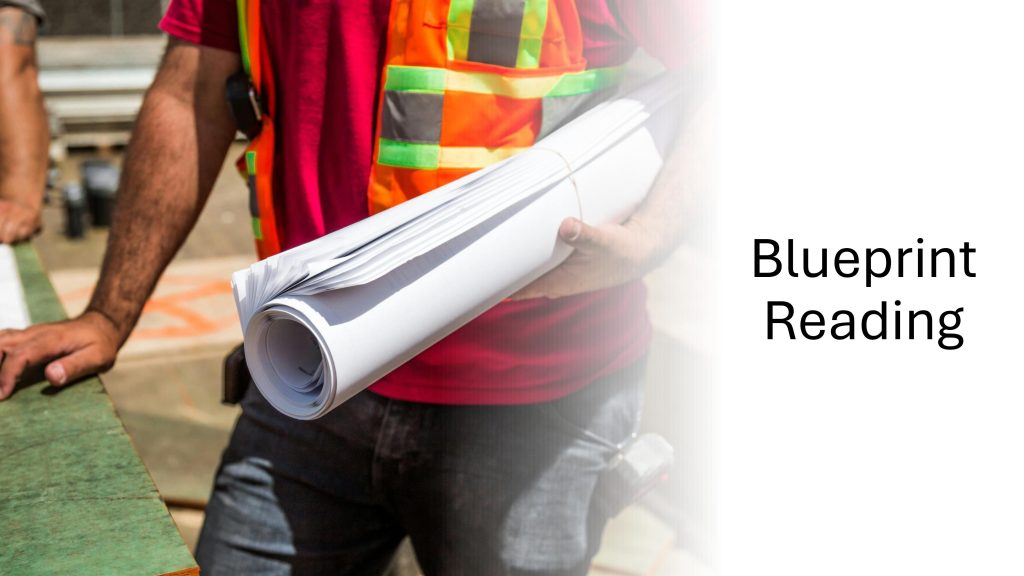
Blueprint reading is a foundational skill in the construction industry, enabling professionals to interpret and understand architectural plans and technical drawings. In our Construction program, students learn to decipher these blueprints, gaining insight into the layout, dimensions, materials, and specifications necessary for successful project execution.
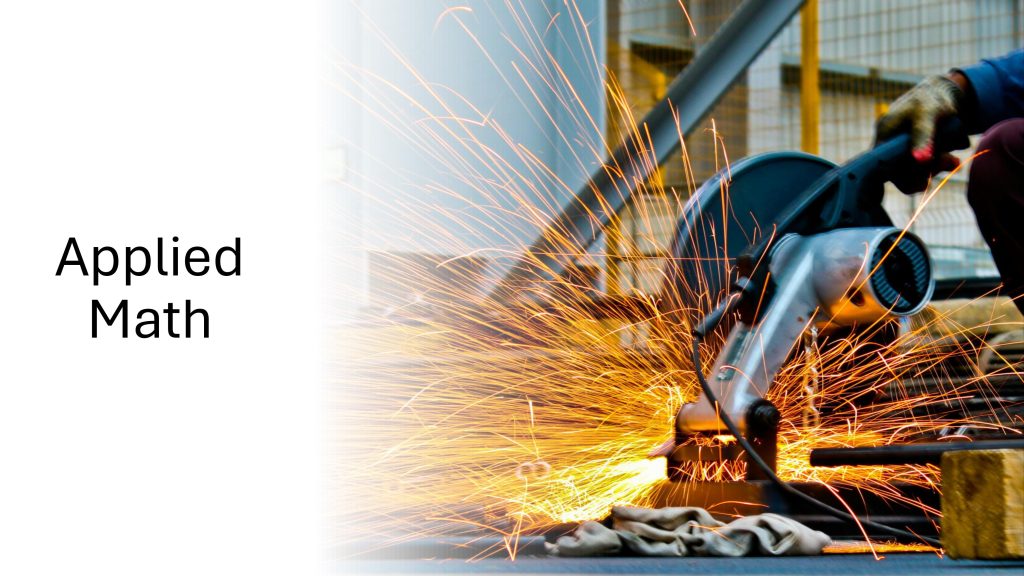
Mathematics serves as the backbone of construction, facilitating accurate measurements, calculations, and problem-solving on job sites. Students in our program engage in practical applications of math, mastering concepts such as geometry, algebra, and trigonometry to ensure precision in various construction tasks, from estimating material quantities to determining load capacities.
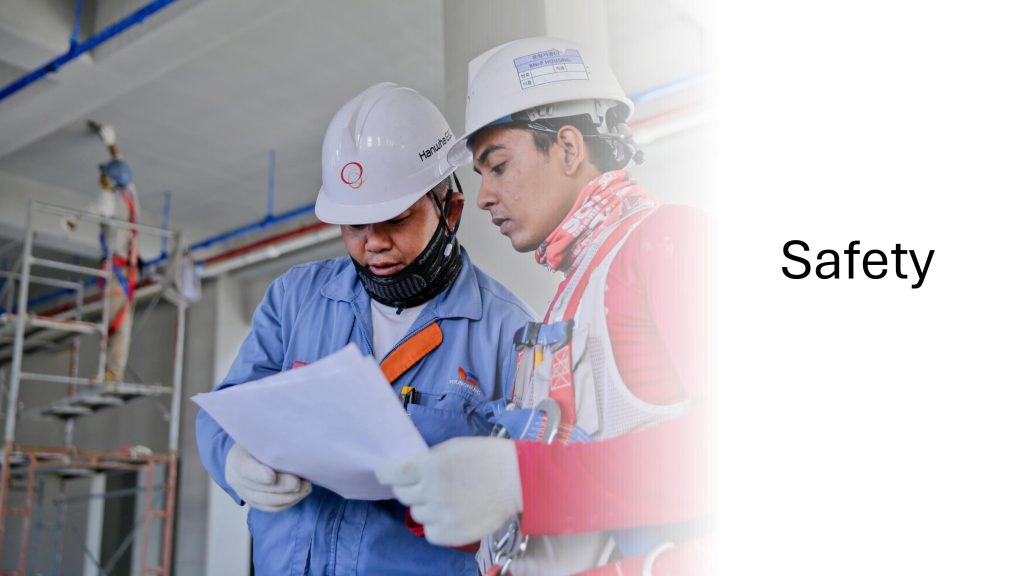
Safety is paramount in the construction industry, and our program prioritizes the well-being of our students by providing comprehensive safety training and education. Students learn to identify and mitigate potential hazards, adhere to safety regulations and protocols, and utilize personal protective equipment (PPE) effectively. With a strong emphasis on safety consciousness, our students are prepared to contribute to a culture of safety on construction sites and prioritize the health and welfare of themselves and their colleagues.
Proficiency with basic tools is essential for any aspiring construction worker. Through hands-on training and demonstrations, our students acquire the skills and confidence to safely and effectively utilize a wide range of tools commonly used in construction projects. From hammers and saws to drills and levels, students learn proper techniques for handling and maintaining tools to maximize efficiency and productivity on the job.
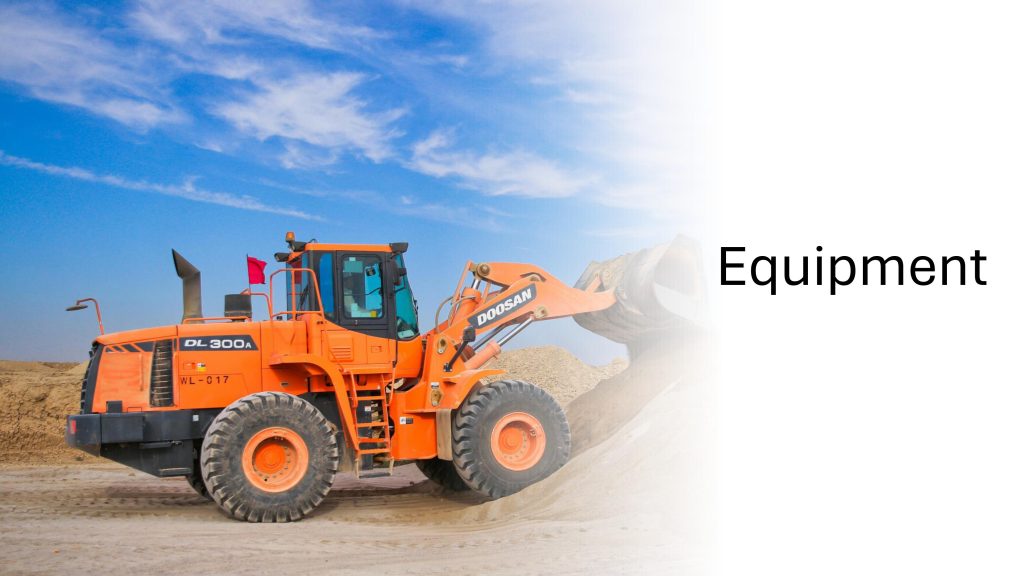
Operating heavy equipment is a critical aspect of construction work, particularly in tasks such as excavation, grading, and material handling. In our program, students receive comprehensive training on equipment operation, including safety protocols, maintenance procedures, and hands-on practice with machinery such as excavators, bulldozers, and cranes. This training prepares students for the diverse challenges they may encounter on construction sites and ensures they can operate equipment safely and proficiently.
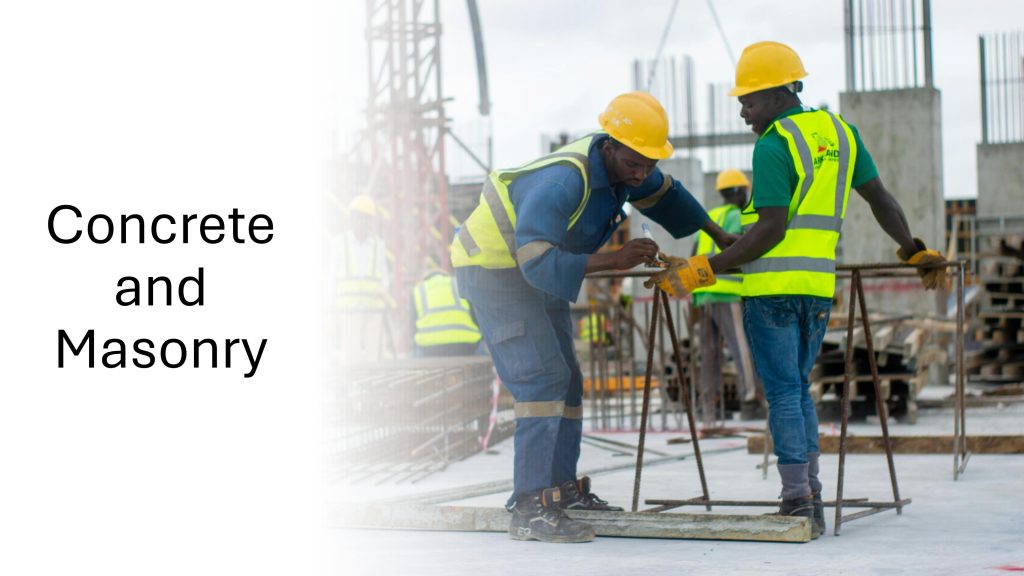
Concrete and masonry form the foundation of many construction projects, providing structural integrity and durability. In our Construction program, students learn the principles and techniques of working with concrete, including mixing, pouring, and finishing. Additionally, students gain proficiency in masonry, mastering skills such as laying bricks, blocks, and stones to create walls, foundations, and other structures. Through hands-on training and projects, students develop the expertise to tackle a variety of concrete and masonry tasks with precision and efficiency.
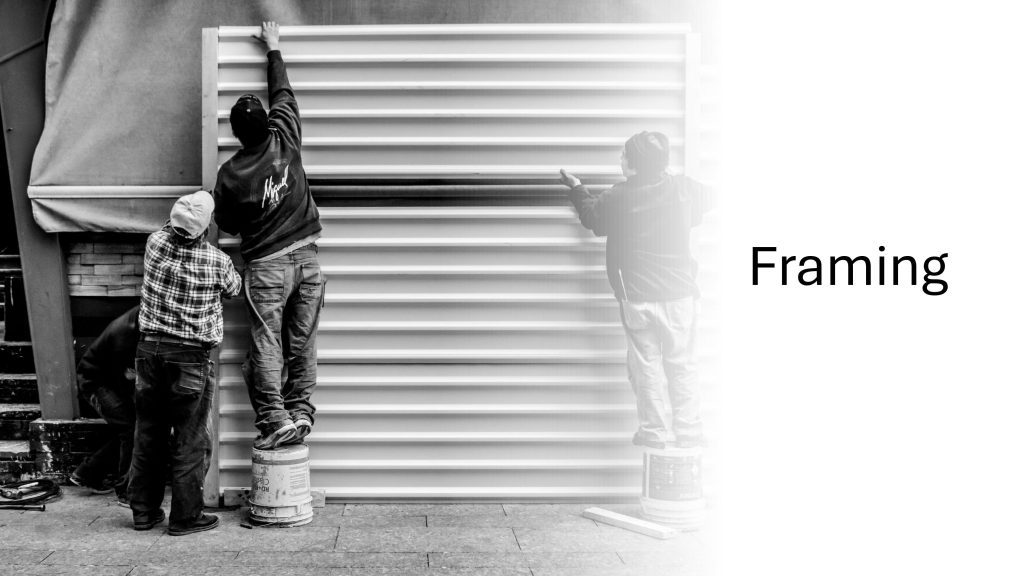
Framing is the skeleton of a building, providing support and structure for walls, floors, and roofs. In our program, students learn the art of framing, including the use of lumber and steel to construct frames according to architectural plans and specifications. From traditional wood framing to advanced techniques such as steel stud framing, students gain practical experience in framing various types of structures, honing their skills in layout, assembly, and reinforcement.
Electrical systems are essential components of modern construction, powering everything from lighting and heating to appliances and technology. Our Construction program equips students with the knowledge and skills needed to work with electrical systems safely and effectively. Students learn about electrical theory, wiring methods, circuitry, and code requirements, preparing them for tasks such as installing outlets, switches, fixtures, and wiring systems in residential and commercial settings.
Plumbing plays a crucial role in providing clean water and sanitation in buildings, making it an indispensable aspect of construction. In our program, students learn about plumbing systems, fixtures, and components, as well as installation and repair techniques. From rough plumbing to final fixture installation, students gain hands-on experience working with pipes, fittings, valves, and fixtures, ensuring they are prepared to handle plumbing tasks with accuracy and professionalism.
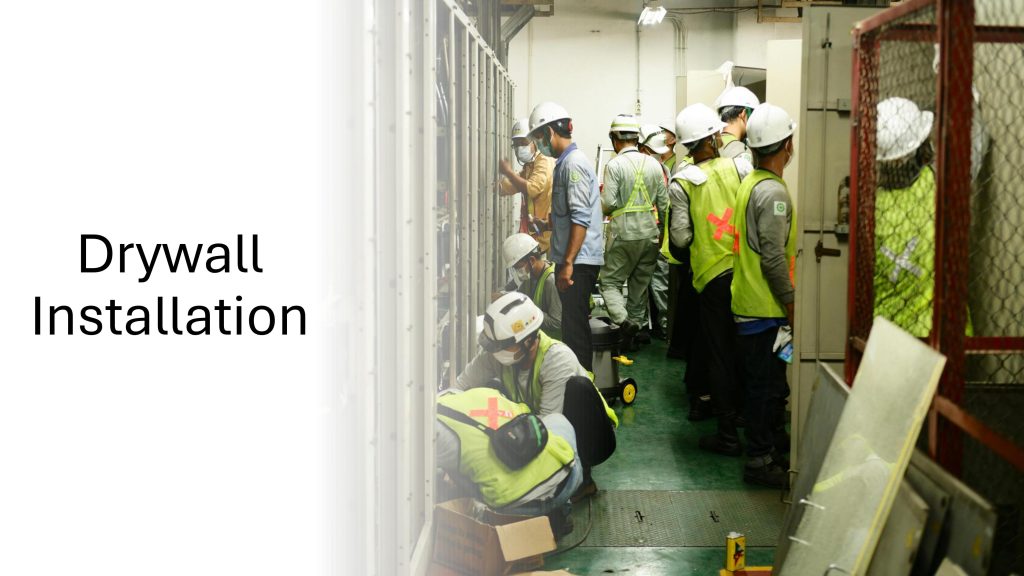
Drywall, also known as gypsum board or plasterboard, is a common building material used for interior walls and ceilings. In our Construction program, students learn the art of drywall installation, including measuring, cutting, hanging, and finishing. Through practical exercises and projects, students develop the skills to achieve smooth, seamless surfaces, ready for painting or other finishes. Additionally, students learn about drywall repair and restoration techniques, ensuring they can address common issues and maintain quality standards.
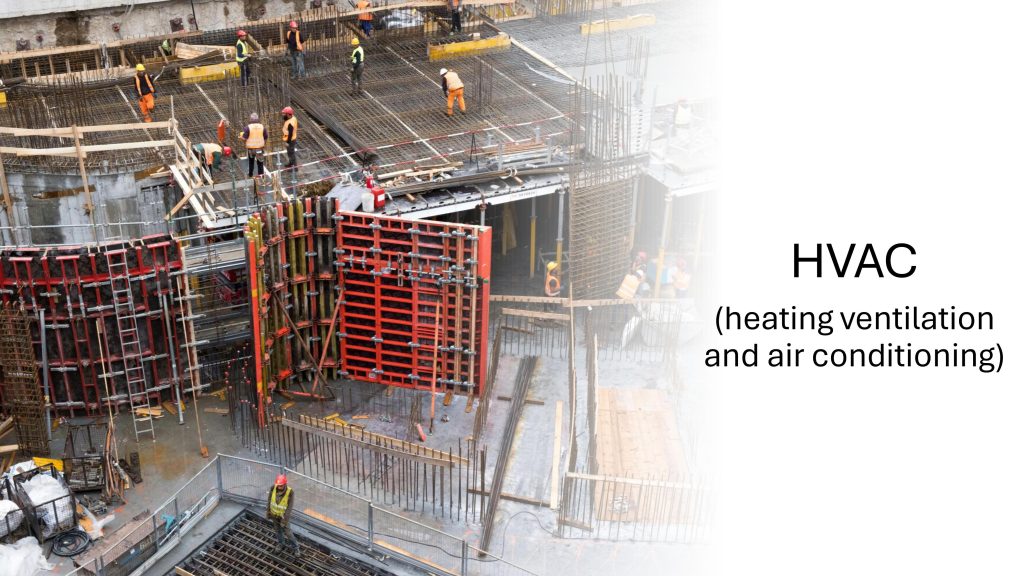
HVAC systems are essential for maintaining comfortable indoor environments, regulating temperature, humidity, and air quality. Our Construction program covers the principles and practices of HVAC installation, maintenance, and repair. Students learn about heating and cooling systems, ductwork, ventilation, and energy efficiency considerations. Through hands-on training and simulations, students gain practical experience troubleshooting HVAC systems and performing routine maintenance tasks, preparing them for careers in this vital field.
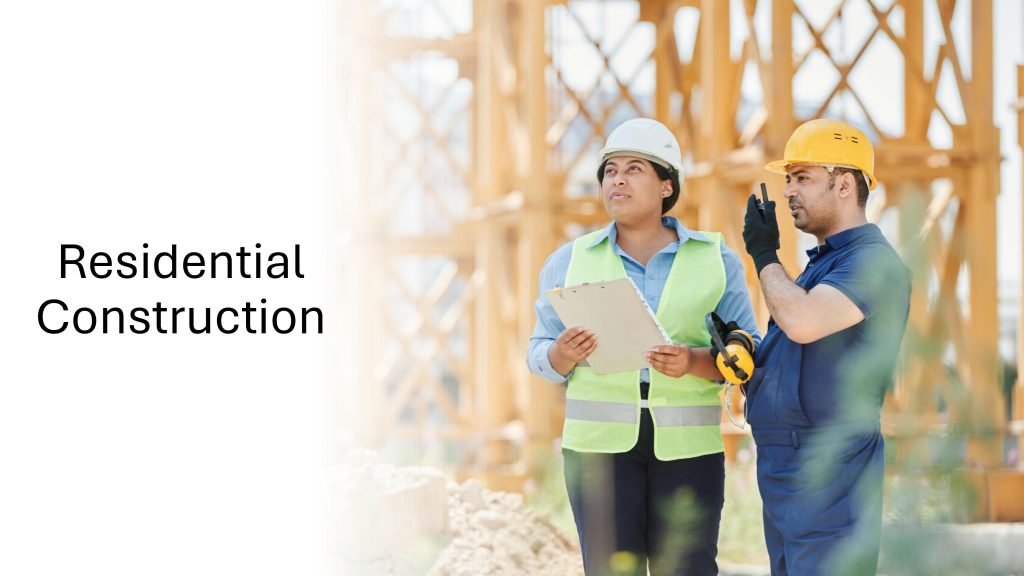
In the first year of the two-year Construction program, emphasis is placed on residential construction. Students delve into fundamental aspects essential for this sector, including blueprint reading, applied math, basic tool use, equipment operation, and safety protocols. Throughout the program, students explore various building techniques such as concrete and masonry, framing, electrical work, plumbing, drywall installation, HVAC (heating, ventilation, and air conditioning), and painting. Completion of the program also awards students with a ten-hour O.S.H.A. card, granting them access to job sites and enhancing their safety awareness.
The second year shifts focus to commercial construction, reinforcing skills acquired during the first year and applying them within commercial contexts. Students gain hands-on experience and expertise in commercial applications while further honing their skills in blueprint reading, project management, and teamwork. Additionally, students have the opportunity to participate in the ACE Mentorship Program and the Builders of the Future program, providing valuable insights into the business aspects of the construction industry, preparing them for diverse career paths.
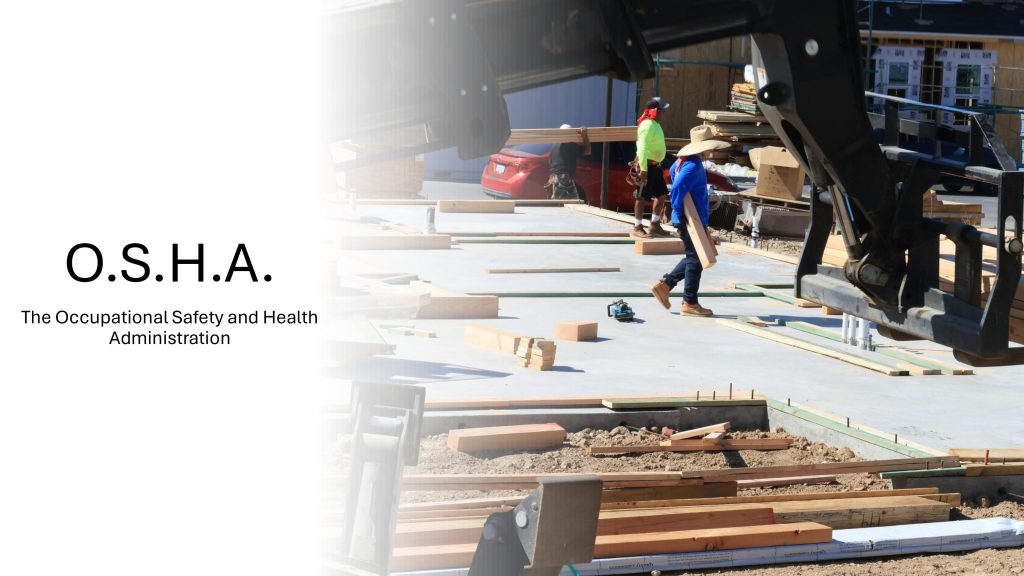
The Occupational Safety and Health Administration (OSHA) is a crucial regulatory body dedicated to ensuring safe and healthy working conditions for employees across various industries in the United States. Through the implementation and enforcement of workplace safety standards, OSHA plays a vital role in preventing injuries, illnesses, and fatalities on the job. Employers and workers alike rely on OSHA guidelines to identify and mitigate hazards, promote safety awareness, and maintain compliance with regulatory requirements. By providing training, outreach, and assistance programs, OSHA strives to empower organizations to prioritize safety as an integral part of their operations, fostering a culture of workplace safety and protecting the well-being of workers nationwide.
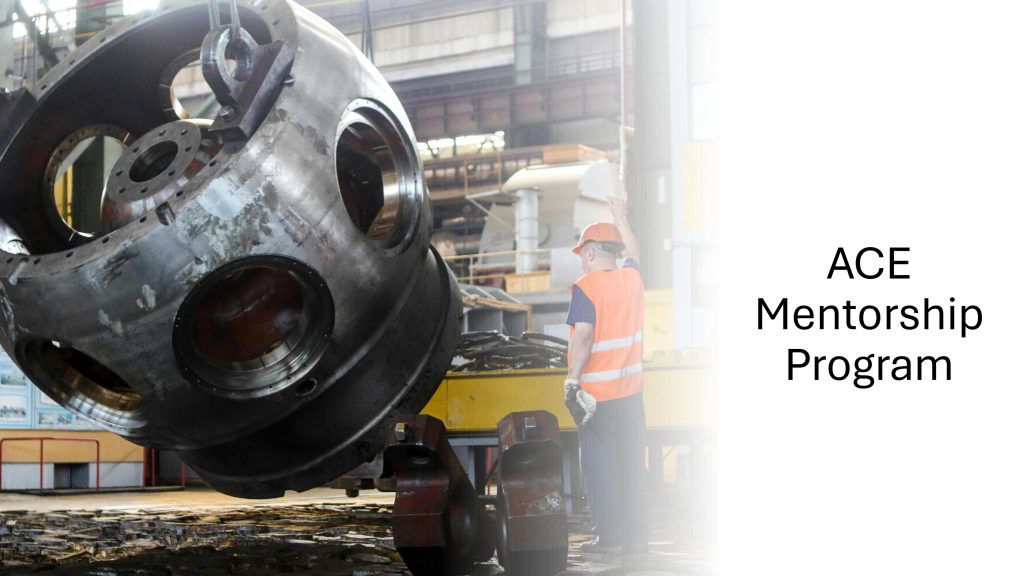
The ACE Mentorship Program is a dynamic initiative aimed at nurturing the next generation of architects, engineers, and construction professionals. This innovative program brings together industry experts and high school students who are interested in pursuing careers in architecture, construction, and engineering. Through hands-on workshops, project-based learning, and mentorship opportunities, participants gain valuable insights into the diverse facets of the construction industry, from design and planning to project management and execution. Mentors share their expertise, experiences, and guidance, inspiring and empowering students to explore their interests, develop their skills, and envision exciting career pathways in the built environment. By fostering collaboration, mentorship, and real-world learning experiences, the ACE Mentorship Program equips aspiring professionals with the knowledge, confidence, and networks they need to succeed in the dynamic and rewarding field of architecture, construction, and engineering.
Plumbers play a vital role in ensuring the functionality and safety of plumbing systems in residential, commercial, and industrial settings. From installing and repairing pipes, fixtures, and appliances to troubleshooting leaks and drainage issues, plumbers possess the expertise to keep water flowing smoothly and efficiently. With a combination of technical knowledge, problem-solving skills, and attention to detail, plumbers contribute to the health, comfort, and convenience of communities by maintaining clean water supplies and sanitary conditions.
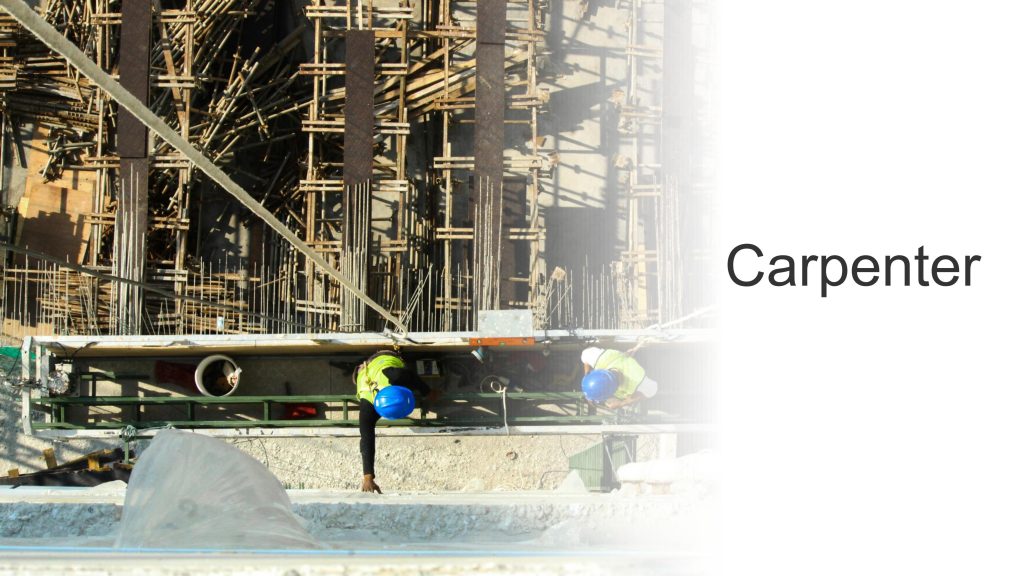
Carpenters are skilled craftsmen who specialize in working with wood and other materials to construct and repair structures, fixtures, and furniture. From framing buildings and installing cabinets to crafting intricate trim and molding, carpenters bring architectural plans to life with precision and craftsmanship. With a keen eye for detail and a mastery of various tools and techniques, carpenters create functional and aesthetically pleasing spaces that enhance both the form and function of the built environment.
Electricians are responsible for installing, maintaining, and repairing electrical systems that power homes, businesses, and infrastructure. Whether wiring new construction projects, upgrading existing systems, or troubleshooting electrical issues, electricians ensure the safe and reliable delivery of electricity to support lighting, appliances, technology, and other electrical devices. With rigorous training, adherence to safety standards, and a deep understanding of electrical theory and codes, electricians play a crucial role in powering modern society.
Architects are visionary professionals who design and plan buildings, landscapes, and urban spaces, shaping the built environment to meet the needs and aspirations of society. From conceptualizing innovative structures and spaces to coordinating with clients, engineers, and builders, architects guide projects from inception to completion with creativity, technical expertise, and a focus on sustainability and functionality. With a deep understanding of design principles, construction techniques, and regulatory requirements, architects envision and realize spaces that inspire, enrich, and endure.
Masons are skilled artisans who specialize in working with stone, brick, and concrete to construct durable and visually appealing structures. From laying foundations and building walls to creating decorative features and hardscape elements, masons use their expertise to shape and manipulate materials into functional and aesthetically pleasing forms. With a combination of technical skill, creativity, and craftsmanship, masons contribute to the architectural landscape, creating enduring works that stand the test of time.
Engineers are problem-solvers who apply scientific principles and technical knowledge to design, build, and maintain a wide range of systems and structures. Whether developing infrastructure, machinery, or technology, engineers collaborate with interdisciplinary teams to tackle complex challenges and innovate solutions that improve efficiency, safety, and quality of life. With specialized expertise in fields such as civil, mechanical, electrical, and aerospace engineering, engineers drive progress and innovation across diverse industries, shaping the world we live in for the better.
We are proud to collaborate with esteemed sponsors and partners who play a crucial role in supporting our Construction program. Our partners include Carpenters Union 427, MCL, Hausmann, Weitz, Sampson, Turner, Hawkins, McGill Restoration, Jerry Kessler Construction, NFM Flooring, Menards, Brester Construction, Laborers 1140, and MCC. Their invaluable contributions and expertise enhance our program, ensuring students receive comprehensive training and opportunities for success in the construction industry.
Upon completion of the program, graduates are equipped with a diverse skill set that opens doors to various career opportunities in the construction industry. Examples of potential career paths include plumber, carpenter, electrician, mason, architect, and engineer. With a solid foundation in both residential and commercial construction, graduates are well-prepared to tackle the challenges and excel in their chosen fields.
Building partnerships with forward-thinking companies committed to investing in the next generation is essential for driving innovation and advancement in the construction industry. These partnerships facilitate the exchange of knowledge, resources, and expertise, enabling educational institutions and training programs to offer students hands-on experiences, mentorship opportunities, and access to cutting-edge technologies. By collaborating with companies that prioritize sustainability, diversity, and social responsibility, the construction industry can address pressing challenges such as climate change, workforce development, and community engagement. Furthermore, these partnerships cultivate a culture of innovation and continuous improvement, inspiring students to pursue careers in construction while equipping them with the skills and mindset needed to shape a brighter future for the industry. Together, through strategic partnerships and shared vision, companies and educational institutions can empower the next generation of construction professionals to make a meaningful impact and build a better, more resilient world for generations to come.